OEM vs. ODM Furniture Production: What’s the Difference?
For international wholesale buyers eyeing Indonesia’s renowned furniture manufacturing capabilities, understanding the intricacies of OEM and ODM production is essential. These models, prominent in the industry, provide pathways to create bespoke furniture pieces that meet diverse market demands. Indonesia, with its rich history in furniture craftsmanship, particularly in regions like Jepara and Bali, offers a strategic advantage in sourcing high-quality, custom-designed furniture that aligns with global standards.
Understanding OEM Furniture Production
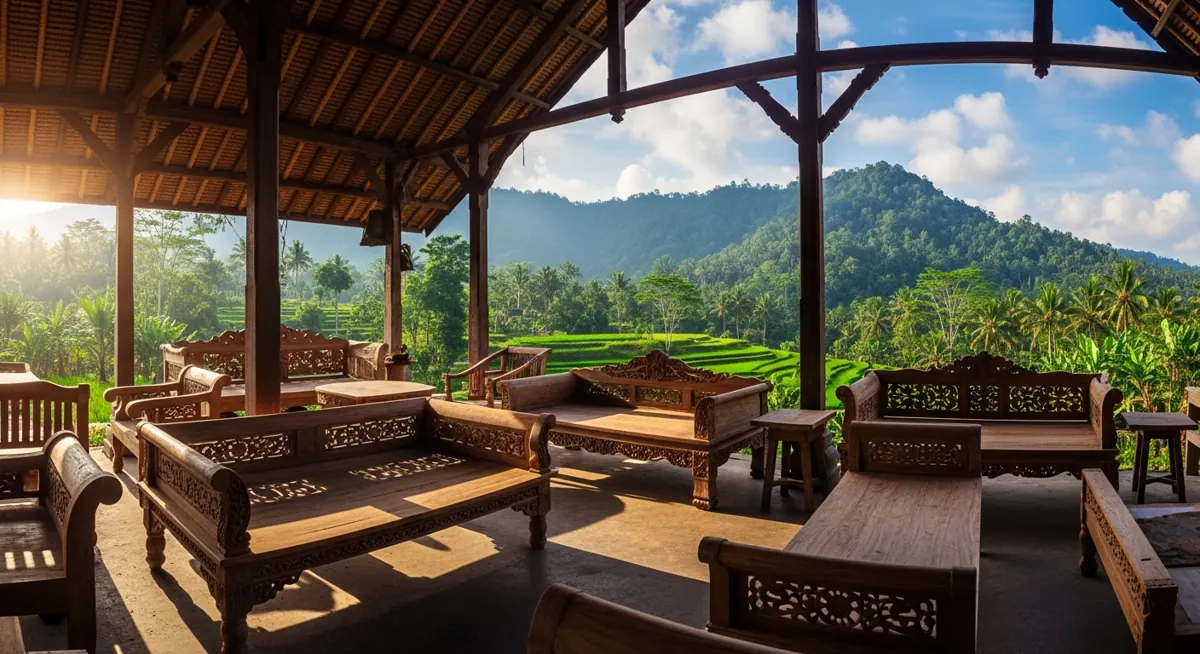
OEM, or Original Equipment Manufacturer, is a production model where factories produce furniture according to the specific designs and specifications provided by buyers. This model is ideal for businesses that have precise design requirements and want to maintain control over the aesthetic and functional aspects of their furniture. In Indonesia, OEM production is prominent in regions like Jepara, known for its expertise in teak and classic carved furniture. Here, manufacturers work closely with buyers to ensure that each piece meets the detailed design criteria, from material selection to finishing. This model supports a wide range of materials such as solid teak, mahogany, and rattan, which are abundant in Indonesia. OEM production typically requires a minimum order quantity (MOQ) of 5-20 pieces for solid-wood furniture, with the option for private-label branding. Buyers can expect a production lead time of approximately 30-60 days, dependent on order size and complexity.
Exploring ODM Furniture Production
ODM, or Original Design Manufacturer, offers a slightly different approach. In this model, manufacturers provide existing designs that buyers can customize to some extent. This is advantageous for buyers who may not have specific design expertise but still wish to offer unique products under their brand. Indonesian manufacturing hubs like Bali excel in ODM production, particularly for rattan and contemporary outdoor furniture. The flexibility of ODM allows for customization in materials, colors, and finishes, utilizing Indonesia’s rich resources, such as synthetic rattan and genuine leather. This model often requires a higher MOQ, typically 10-30 pieces per model or color, ensuring economies of scale. Lead times remain similar to OEM, with production spanning 30-60 days. ODM is particularly appealing for buyers looking to quickly expand their product lines with minimal design input.
Materials and Craftsmanship in Indonesian Furniture Production
Indonesia’s furniture industry is renowned for its diverse range of materials and exceptional craftsmanship. Key materials include:
- Solid Teak: Sourced primarily from Jepara, known for its durability and aesthetic appeal.
- Reclaimed/Recycled Teak: Offers a sustainable option with unique character.
- Mahogany and Suar/Acacia: Popular for live-edge designs.
- Natural and Synthetic Rattan: Ideal for indoor and outdoor furniture.
- Water Hyacinth and Seagrass: Used for woven furniture.
- Genuine Leather and Stone/Terrazzo Tops: Add luxury and elegance.
The choice of materials significantly impacts the final product, influencing aspects such as durability, appearance, and cost. Buyers can select materials that best suit their market needs, ensuring a competitive edge.
Quality Control and Assurance
Quality control is a pivotal aspect of furniture production, ensuring that each piece meets the buyer’s standards and specifications. Indonesian manufacturers implement rigorous quality control measures at various stages of production. Initial inspections focus on raw materials to guarantee they meet the necessary quality and sustainability criteria. During production, frequent checks are conducted to ensure that dimensions, finishes, and assembly align with design specifications. Final inspections involve a thorough examination of the completed products, assessing them for any defects or inconsistencies. Buyers can request third-party inspections or visit the manufacturing sites to verify quality control processes. Consistent communication with manufacturers throughout the production cycle helps maintain high standards and address any issues promptly.
Finishing Techniques and Options
The finishing of furniture is crucial in enhancing its aesthetic appeal and protecting it from wear and tear. Indonesian manufacturers offer a variety of finishing techniques to cater to different styles and preferences. Popular finishes include natural oil, lacquer, and water-based finishes, each providing a distinct look and level of protection. Natural oil finishes highlight the wood’s grain and natural beauty, offering a more rustic appearance. Lacquer finishes provide a glossy, durable surface, ideal for contemporary designs. Water-based finishes are environmentally friendly, offering a matte or semi-gloss appearance. Buyers can choose from a range of colors and textures to align with their brand’s design ethos. Custom finishes are also available, allowing for unique effects such as distressing or antiquing, adding character to each piece.
Packing and Shipping Considerations
Proper packing is essential to ensure that furniture arrives at its destination in perfect condition. Indonesian manufacturers employ robust packing methods, using materials such as bubble wrap, cardboard, and wooden crates to protect the furniture during transit. Items are often disassembled to optimize space and reduce shipping costs, with clear assembly instructions included. When preparing for shipment, it’s important to consider factors such as moisture control and shock resistance, especially for delicate items. Manufacturers may offer customized packing solutions to meet specific shipping requirements. Collaboration with experienced logistics partners ensures that the furniture is handled with care throughout the shipping process, minimizing the risk of damage.
Container Loading and Logistics
Efficient logistics is crucial in international furniture trade. Indonesian furniture exporters typically utilize three container sizes:
| Container Type | Usable CBM |
|---|---|
| 20ft | Approximately 28 CBM |
| 40ft | Approximately 58 CBM |
| 40ft High Cube | Approximately 68 CBM |
Bulky items like upholstered or woven furniture may “cube out” before reaching weight limits, whereas dense, knock-down items might hit weight limits first. The typical MOQ for a shipment is one 20ft container, with mixed-model and mixed-material loads being a standard practice, provided each item meets its per-item MOQ. Main export ports include Tanjung Perak in Surabaya, Tanjung Emas in Semarang, and Benoa in Bali. Buyers are advised to confirm container availability and schedules to optimize shipping efficiency.
Understanding SVLK Certification
Indonesia mandates the SVLK (Sistem Verifikasi Legalitas Kayu) certification for all wood-product exports, ensuring legality and traceability of timber. This certification aligns with Indonesia’s FLEGT partnership with the EU, supporting compliance with the EU Deforestation Regulation (EUDR) and the US Lacey Act. While SVLK provides strong legality evidence, importers must still conduct their own due diligence. The SVLK certification is valid for three years, with annual surveillance checks. Buyers can verify SVLK compliance through the SVLK/V-Legal website. Additionally, some manufacturers offer FSC certification for buyers seeking further sustainability assurances.
Incoterms and Payment Terms
The most common Incoterm used in Indonesian furniture exports is FOB (Free on Board), where the seller handles export clearance and loading at the port. Buyers are responsible for booking sea freight and insurance. Other terms like CFR/CNF and CIF can also be arranged. Payment terms typically require a deposit of 30-50% via T/T (bank transfer) to initiate production, with the balance due against a copy of the Bill of Lading (B/L). These terms are standard but negotiable for repeat buyers. Confirm specifics per order to ensure clarity and alignment with your financial policies.
Lead Times and Production Schedules
Production lead times for Indonesian furniture typically range from 30 to 60 days, influenced by order size and complexity. This period allows for meticulous craftsmanship and quality assurance. Sea-freight transit to key markets like the US, EU, and Australia takes approximately 3-5 weeks, with variations by route and season. Buyers should confirm current schedules to align production and delivery timelines. For bespoke projects, pre-production samples are provided for approval, ensuring that the final product meets exact specifications.
Contact and Request for Quote
For international buyers seeking to leverage Indonesia’s expertise in OEM and ODM furniture production, contacting our team is the first step. We invite you to request a quote for your specific needs. Please reach out via WhatsApp at +62 811-3941-4563 or email at [email protected] for detailed discussions on material options, production capabilities, and logistics arrangements. Your bespoke furniture journey begins with a simple inquiry, and we are here to support every step of the way.