Sourcing Bespoke Furniture in Bali
International wholesale buyers seeking bespoke furniture from Indonesia should prioritize quality craftsmanship and sustainable materials. Bali, known for its design-led approach, offers a wealth of options for sourcing unique pieces. Understanding the intricacies of production, legal certifications, and logistics will ensure a successful procurement process.
Understanding SVLK Certification for Legal Timber

When sourcing bespoke furniture in Bali, understanding the importance of SVLK certification is crucial. SVLK, or the Sistem Verifikasi Legalitas Kayu, is Indonesia’s mandatory Timber Legality Assurance System. It ensures all wood products, including furniture, are legally harvested and traceable. Each export consignment must ship with a V-Legal Document, which proves compliance with this system. This certification is vital for buyers looking to meet due diligence requirements under the EU Deforestation Regulation (EUDR) and the US Lacey Act. SVLK certificates last for three years with annual surveillance audits, providing a robust foundation for legality. It’s important to note that while SVLK ensures legality, it is not synonymous with FSC certification, which is voluntary and focuses on sustainability. For more details, visit the SVLK information portal.
Key Materials in Bali’s Bespoke Furniture
Bali offers a diverse range of materials for bespoke furniture, each with distinct characteristics and applications. Key materials include solid teak and reclaimed/recycled teak, known for their durability and timeless appeal. Mahogany and suar/acacia are also popular, with suar often used for live-edge designs. Natural rattan and synthetic/PE all-weather rattan are prevalent in outdoor furniture, providing both aesthetic and functional benefits. Additional materials include water hyacinth, seagrass, genuine leather, and stone or terrazzo tops. Each material has specific sourcing requirements and price points, which can be confirmed upon request for a quote. For more on materials and craftsmanship, visit our dedicated page.
Grades of Material and Finishing Options
Selecting the right material grade and finish is essential for producing high-quality furniture. In Bali, teak is available in grades A, B, and C, with Grade A being the most premium, offering superior durability and appearance. Reclaimed teak often features unique weathered textures, adding character to each piece. Finishing options range from natural oils and waxes to lacquer and polyurethane coatings. These finishes not only enhance the aesthetic appeal but also provide protection against wear and environmental factors. Buyers should discuss specific finishing preferences with manufacturers to ensure the final product meets their brand’s standards and market expectations.
Container Loading and Minimum Order Quantities (MOQs)
Understanding container loading and MOQs is essential for efficient logistics planning. A 20ft container has a usable furniture loading capacity of approximately 28 CBM, while a 40ft container accommodates about 58 CBM. A 40ft High Cube (40HQ) can hold up to 68 CBM. For solid-wood furniture, per-item MOQs typically range from 5-20 pieces, whereas woven/rattan items require 10-30 pieces per model or color. The minimum order is usually one 20ft container, approximately 25-28 CBM. Mixed-model and mixed-material containers are standard practice, provided each item meets its MOQ and the load meets the minimum CBM requirement. More details on the export and shipping process can be found on our website.
Quality Control and Inspection Processes
Ensuring consistent quality in furniture production involves rigorous quality control (QC) and inspection processes. In Bali, manufacturers often employ a multi-stage QC process, starting from raw material inspection to final product evaluation. This includes checking for material defects, construction integrity, and finish quality. Buyers are encouraged to specify their QC criteria and may consider third-party inspection services to verify compliance with their standards. Regular communication with manufacturers during production can help address potential issues early, ensuring that the final delivery meets the expected quality and specifications.
Lead Times and Incoterms for Export
The lead time for bespoke furniture production in Bali typically ranges from 30 to 60 days, depending on order size and finishing requirements. Sea-freight transit times vary by destination, generally taking 3-5 weeks to reach markets in the US, EU, and Australia, with shorter durations to the Middle East and Asia. The most common Incoterm used is FOB, where the seller handles export clearance and loading at the Indonesian port, while the buyer manages sea freight and insurance. Other terms like CFR/CNF and CIF are also available. Key export seaports include Tanjung Perak in Surabaya, Tanjung Emas in Semarang, and Benoa in Bali. Always confirm current schedules and terms per order.
OEM/ODM Services and Customization Options
Bali’s furniture manufacturers offer extensive OEM/ODM services, allowing buyers to customize designs according to specific requirements. Factories can produce furniture to a buyer’s drawings, specifications, and finishes, ensuring a tailored product. Pre-production samples are typically created for approval before moving to bulk production. Private-label and branding services are also available, providing further customization options. This flexibility is crucial for international buyers looking to differentiate their offerings in competitive markets. For inspiration, explore our bespoke dining tables and bespoke beds and headboards.
Packing and Shipping Considerations
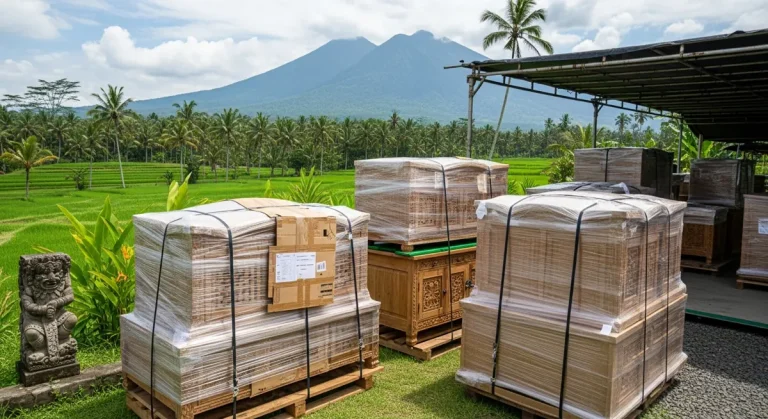
Proper packing is vital to ensure furniture reaches its destination without damage. Bali’s manufacturers typically use a combination of protective materials such as foam, bubble wrap, and sturdy cartons or crates. Items are often wrapped individually and secured to prevent movement during transit. Buyers should discuss specific packing requirements and labeling needs with suppliers, especially for fragile or high-value items. Shipping options vary, with most buyers opting for sea freight due to cost-effectiveness, though air freight is available for urgent shipments. Understanding these logistics can help buyers plan effectively and optimize shipping costs.
Pricing and Payment Terms
Pricing for bespoke furniture is quoted per order, taking into account material, grade, specification, finish, volume, and Incoterm. Fixed prices are not stated, emphasizing the need for a Request for Quote (RFQ) to obtain precise pricing. Payment terms generally involve a deposit of approximately 30-50% via T/T (bank transfer) to initiate production, with the balance due against a copy of the Bill of Lading (B/L). Terms are often negotiable for repeat buyers, providing flexibility in financial arrangements. Establishing clear payment terms upfront is essential for smooth transactions and trust-building.
Export Markets and Strategic Sourcing
Indonesia’s bespoke furniture exports reach key markets, including the US, EU, Australia, the Middle East, and Japan. Each market has unique preferences and regulatory requirements, making strategic sourcing essential. Jepara, known for its historic teak and carved furniture, and Bali, with its design-led contemporary pieces, are prominent hubs. Understanding the nuances of each market and collaborating with experienced exporters can enhance the sourcing strategy. For more information on sourcing from these regions, refer to Jepara’s rich furniture history.
For further inquiries or to begin the request-a-quote (RFQ) process, please visit our contact page. Our team is ready to assist with all aspects of bespoke furniture sourcing from Bali, ensuring a smooth and successful procurement experience.